Why hotel growth no longer comes from one channel
Hotel growth no longer comes from winning one channel. It comes from how every part of the journey holds together — from first impression to final booking.
Growth and bookings come from how brand, discovery, website experience, and booking pathways flow as one interconnected journey. When the different elements of your hotel marketing strategy align, booking feels like an obvious next step for guests. When they don’t align, even a high amount of website visits won’t necessarily convert into direct room bookings.
The moment when booking becomes inevitable
Every booking has a point where the decision stops feeling uncertain.
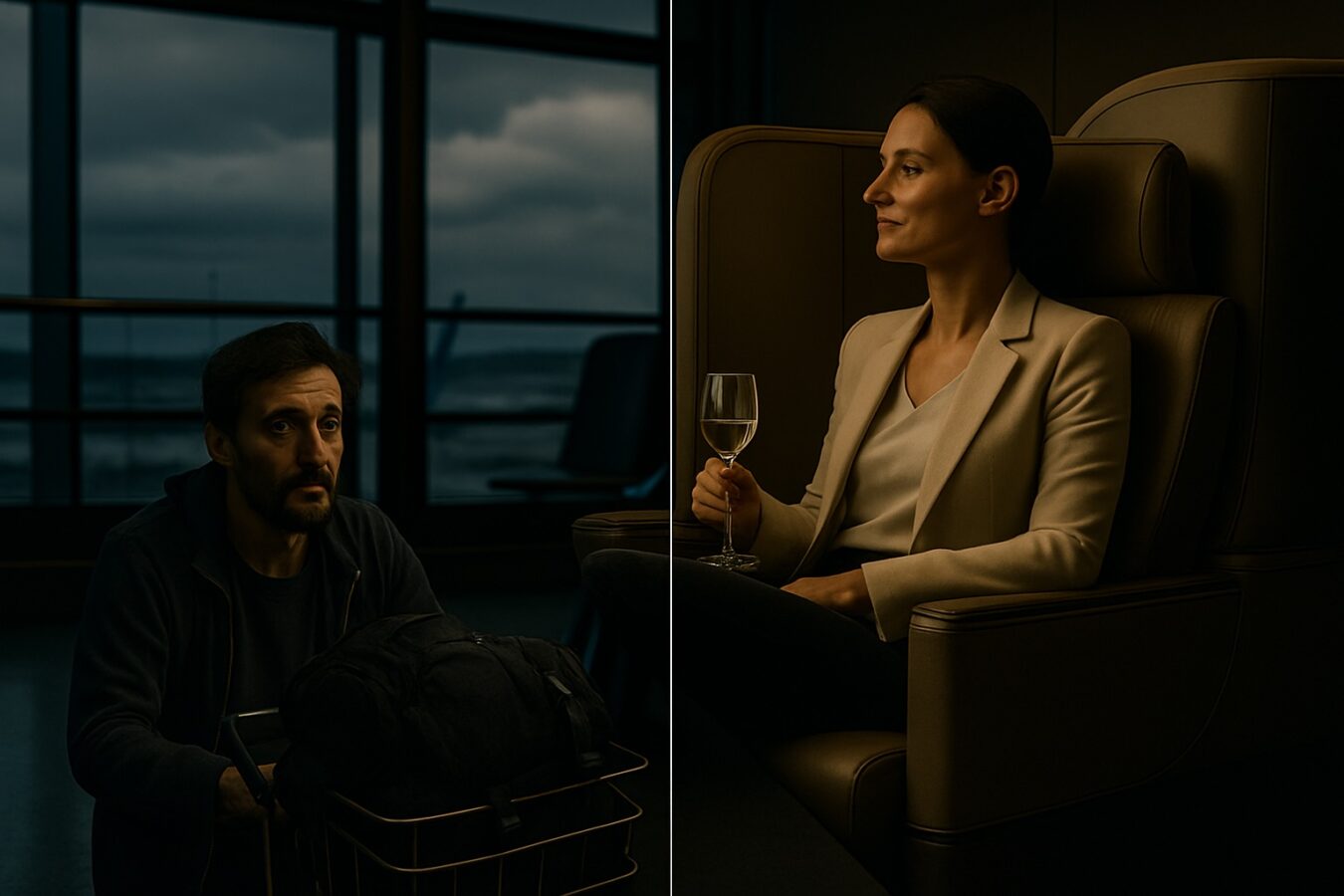
Consider a guest who’s been circling for a while. Maybe they’ve looked at a few properties, skimmed some reviews, compared different locations, or even asked ChatGPT or Claude to give them recommendations. By the time they arrive on your website, they’re not starting from zero. Instead, they’re already carrying a set of impressions, expectations, and preferences they’ve been forming in the background of their minds.
When everything works together, the next step of exploring a hotel’s website feels coherent and consistent. They’re able to easily find the key information they need to know, and the path forward feels natural.
At that point, booking isn’t a leap and is simply the next step.
But when something feels off on any channel, the opposite can happen. There doesn’t need to be something dramatically wrong here – it’s often something subtle that can make a guest drop away. Maybe the message is vague, or the site takes a bit too long to answer a simple question. Or, the booking process introduces a small amount of friction at the wrong moment, with pages that take too long to load, or too many steps before they can see the information they’re looking for.
These types of situations can make a potential guest hesitate, and this is where bookings can get lost.
Why is hotel growth no longer driven by a single channel?
Today’s guests interact with multiple touchpoints before booking, and decisions are shaped across the entire journey. Instead of visiting one website or platform to make a booking, they’re likely exploring and connecting with your brand in multiple ways.
Most hotel marketing is still organized around channels, since that’s the way teams are built and work is structured. Paid media, SEO, website, and email are usually each managed separately. This works operationally, but it doesn’t really reflect how guests actually decide to book. Rather than experiencing each of these marketing elements separately, guests instead experience one continuous journey during their decision to book.
This is especially important to keep in mind if your website is getting traffic, but those visits don’t always lead to many bookings. Many hotels aren’t dealing with a lack of traffic or website visits, so visibility may not be the main issue.
Instead, problems can come up when guests enter the entire system of your hotel marketing, and something feels off. Maybe they first discovered your hotel in an AI-generated summary, an Instagram post, or even a recommendation on a travel blog they trust.
But, when they search your brand and visit your website, there could be a subtle problem that makes them drop away. And, unless there’s a strong enough pull for them to come back, they’ll end up booking elsewhere.
For guests, it’s not about responding to different channels or even a set flow of searching and then booking. Instead, they’re simply responding to whether the entire experience feels consistent and positive.
When does the hotel booking journey actually start?
For a long time, it was easy to define where the customer journey began. Usually, a Google search would mark the starting point, and from there the task was to capture attention and guide the guest towards booking.
That model is less reliable now. Guests are often forming opinions about your hotel and your brand long before they visit your website. They’re exposed to summaries, reviews, curated lists, and AI-generated travel recommendations that interpret options for them.
By the time a potential guest lands on your site, they aren’t discovering your hotel for the first time with fresh eyes. They already have some sense of what you do, and they’re either confirming or rejecting a general opinion they already have about your brand. And, if the experience doesn’t reflect what they expect, they’ll move on.
What is a hotel growth system in practice?
A hotel growth system is the alignment of brand, visibility, website experience, booking flow, and retention into a single, cohesive path that drives bookings. It’s when all of your marketing efforts come together to create a seamless, positive, and brand-aligned experience.
Everything starts with how clearly a hotel expresses what it is and who it is for. If those things aren’t immediately understandable, everything that comes next becomes harder. Your hotel’s website should answer the most important questions quickly and without forcing the reader to work for them. Guests can take longer to decide, compare more options, and rely more heavily on price. Here, having a strong brand with easy-to-understand value propositions is key.
This continues with how your property appears across different environments. Search results, AI summaries, review platforms, and social media content all contribute to a broader impression. It doesn’t mean that all of these need to be identical, but they all should reinforce the same ideas.
You can see this most clearly in the handoffs between platforms. Ideally, a guest moves from an ad or a search to your website, then from your homepage to a room page, and from there into the booking flow. If any of these transitions don’t hold, the system breaks and your potential guest could drop off.
The booking process is where hesitation becomes most expensive. Even small points of friction, like unclear pricing, slow performance, or too many steps, can interrupt momentum at the exact moment it matters most.
Finally, there’s what happens after the website visit. Not every guest books on their first interaction, so the ability to reconnect and reinforce plays a significant role in converting interest into a real booking over time.
Every channel and element of your marketing influences the others. When they align, the experience feels simple and natural for guests. Otherwise, direct hotel bookings can be inconsistent and expensive to generate.
Where do hotels typically lose bookings?
Hotels typically lose bookings in the gaps between touchpoints, where messaging, experience, or usability do not fully align.
The tricky part is that these gaps aren’t usually obvious. Your hotel’s homepage might look polished and beautifully designed, but it also might fail to communicate the practical key information a guest is looking for. Or, a room page could describe features without answering key questions that your potential guest wants answered, like whether pets are allowed. A booking flow may introduce friction at the wrong moment through too many steps or a confusing process, making booking a room feel too time-consuming to continue.
Individually, these issues are easy to overlook, since nothing feels majorly broken. But when it all comes together, they can create hesitancy, which can cause guests to bounce from your site instead of book.
Why is this so important now?
All of this matters more now because decisions are happening earlier and expectations are higher than they were before.
Guests are forming impressions of your hotel before they even visit your site, which means you have less time to build confidence. At the same time, digital experiences across industries have improved, raising expectations for clarity, speed, and ease. Potential guests expect not just an incredible experience at your property, but in the entire discovery and booking process leading up to it.
If a hotel experience falls short, even slightly, it stands out much more than it used to.
The takeaway
In practice, hotel growth hasn’t become more complicated, but it has become more interconnected in a way that’s essential to be aware of. Instead of guests moving through your hotel marketing in stages, they form impressions across multiple touchpoints and carry them forward.
Each interaction either strengthens or weakens their sense that they are in the right place. The hotels that perform consistently well aren’t the ones that win a single channel, but are the ones where nothing breaks between the first impression and the final booking. When that path holds, growth follows.
If your marketing is active but growth still feels inconsistent, it might not be an issue with one individual channel, but how the channels all fit together.
Curious to learn more? We’re hospitality marketing experts, and we’d love to speak about your brand. Get in touch with us for a strategy audit on your hotel’s digital presence.
Frequently asked questions
Why are strong marketing channels still not enough?
Because guests don’t book in straight lines. They move between search, social, reviews, OTAs, and your website before they decide. If those moments feel disconnected, confidence fades – and bookings leak.
Where do hotels usually lose direct bookings?
In the space between interest and action. A guest may love the hotel, then leave because the site feels unclear, the rate story is weak, or the booking path asks too much of them.
What does a hotel marketing system actually mean?
It means your brand, visibility, website, booking engine, email, and reporting are all working from the same guest insight. Not separate efforts. One clearer path to booking.
How can hotels rely less on OTAs?
By making the direct path feel more useful, more trustworthy, and easier to complete. OTAs will always have a role, but they should not tell the better story.
How has the hotel booking journey changed?
It has become less predictable. Guests might find a hotel through AI search, Instagram, a review, a friend, an OTA, or a paid ad. Wherever they arrive from, the job is the same: build enough confidence to book.
What should hotels focus on first?
Find the breaks in the journey. Where are guests hesitating, dropping off, or choosing someone else? Growth usually starts there — not with adding another channel.