Travel Motivation Series (5 of 5)
In my earlier posts, we explored the past motivations around travel and how they evolved over time. These motivations tend to follow a similar arc to the way human needs have evolved, mirroring Maslow’s hierarchy of needs. It starts with basic needs and progresses to more advanced ones. As we look to the future, we can extend these high-level needs and align them with current trends to make some predictions. However, given the uneven distribution of wealth and status in the world, lower-level motivations for travel will persist alongside emerging ones. Let’s explore the full spectrum of future travel motivations – both the concerning and the promising.
Forced Journeys
Perhaps the most visceral example of travel on the lower end of the arc are people fleeing inhospitable climates due to rising temperatures and unpredictable weather patterns. They risk their lives crossing oceans and deserts with the hope of a better life for themselves and their children. Climate science remains a topic mired in disagreement, misaligned incentives, and partisan politics.
This issue is likely to worsen in the coming years and decades. As humans, we excel at coordination, but we struggle with collective problems that have outcomes far in the future. It may take a catastrophic event to spur the necessary collective action – for example, the reversal of ocean currents in the Atlantic, exponential melting of glaciers, mass extinctions, or large-scale climate migrations to wealthy nations.
In conjunction with climate issues, political instability, wars, and conflicts will continue to force people to flee their homes. Civil wars, government corruption, and oppressive regimes destroy economies, making it impossible for people to sustain their livelihoods. In many developing nations, poverty, lack of job opportunities, and inadequate access to education and healthcare will drive migration in search of a better life.
While these forced migrations represent the darker side of future travel, they also highlight the urgent need for global cooperation and sustainable development. This growing awareness of our interconnected world is already influencing how many people approach travel, leading to more conscious and sustainable practices.
Green Getaways
With increasing awareness of environmental issues, we’re seeing travelers become more conscientious about their impact on the planet. Sustainable travel involves making better choices, such as opting for greener accommodations, supporting local economies, and reducing carbon footprints. This trend is reflected in the rising popularity of rail travel, staycations, and traveling to nearby destinations.
The “underconsumption core” trend on social media aligns nicely with sustainable travel. This movement is a backlash against the ever-growing trend of overconsumption and the “buy-now” ethos that’s been prevalent in our culture. It also reflects the economic hardship that many are feeling these days. It seeks to normalize regular consumption and re-using of things rather than chasing the status of having the newest and latest.
We can expect to see this reflected in the choices people make when they travel. This would mean choosing more basic accommodations and meals, opting for slower travel, avoiding frills, and taking the less traveled paths. It’s essentially a return to backpacking, which has never really gone away. As the surveillance economy intrudes further into our lives and economic disparities deepen, we can expect to see this segment of travel experience a resurgence alongside sustainable travel.
This shift towards more mindful, sustainable travel naturally leads us to consider how our travel experiences interact with our increasingly digital lives.
Digital Detox Destinations
In an age where technology permeates every aspect of our lives, the allure of disconnecting from the digital world can be a strong motivation for travel. Our daily lives are inundated with screens, beeps, and the relentless demand for our attention. Social media, emails, and 24/7 connectivity have blurred the lines between work and personal time, creating a state of constant distraction.
Travel can be a sanctuary from this noise. By journeying to remote destinations, travelers can unplug, unwind, and rediscover the joys of being present and in the moment. This could be a rustic cabin in the mountains, a secluded beach, or a tranquil countryside retreat – anything that allows escape and resets our minds away from the digital noise.
Surveillance capitalism has turned our personal data into a commodity, with every click, like, and online purchase meticulously tracked and analyzed. This pervasive monitoring can feel intrusive. Traveling to destinations with limited or no internet access provides a reprieve from this scrutiny, allowing folks to reclaim privacy and experience life without the shadow of algorithms and targeted ads.
One of the greatest joys of travel is the chance to connect deeply with new environments and cultures. It’s a bit distressing to visit places only to see folks show more concern about capturing the photo than experiencing the thing itself. If we free ourselves from the distractions of technology, we can engage fully with our surroundings. We can savor local food, listen to the stories of new friends, and immerse ourselves in nature. This mindful approach to travel not only enriches the experience but also fosters genuine human connections – something increasingly rare in our hyper-connected lives.
As we seek these authentic, unplugged experiences, we might find that we don’t need to venture far from home to find them.
Hidden Gems
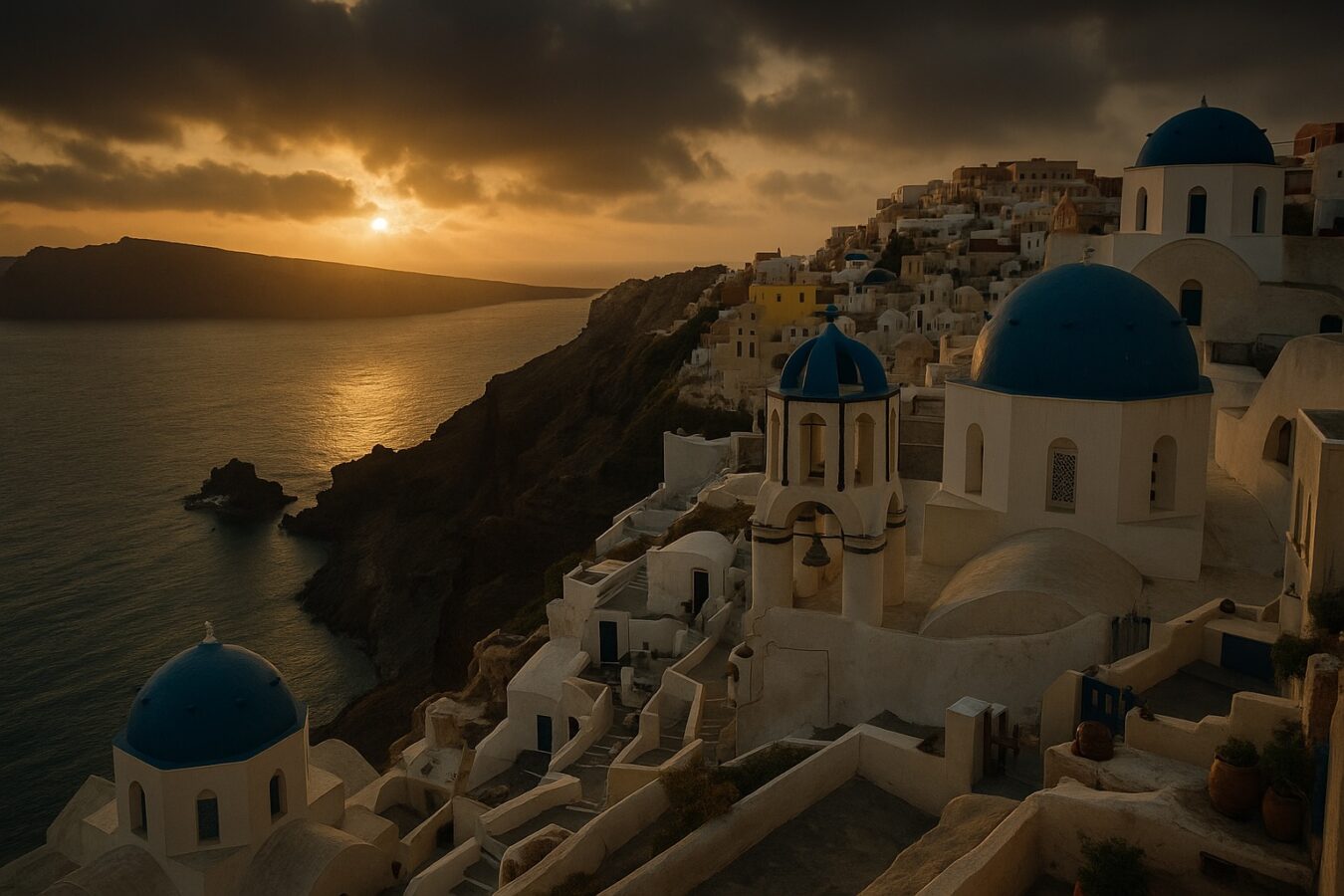
As the most popular destinations of the world are “loved to death“, travelers will seek out less crowded but similar places that are nearby. Exploring nearby destinations allows travelers to discover lesser-known attractions that offer unique experiences without the crowds. Smaller, less crowded destinations often provide a more authentic and intimate travel experience, allowing for deeper connections with local culture and nature.
These nearby destinations often boast their own hidden charms and attractions. Instead of the overcrowded beaches of Bali, travelers might find the serene shores of Lombok equally captivating. Similarly, the picturesque villages of the French countryside offer an alternative to the busy streets of Paris, with their own rich history, delicious cuisine, and stunning landscapes.
Moreover, visiting less popular destinations fosters sustainable tourism practices. By spreading the tourist influx more evenly, we can help preserve the natural and cultural heritage of the more renowned locations while simultaneously boosting the economies of lesser-known areas. This distribution of travel helps local businesses thrive and ensures that the benefits of tourism are more equitably shared.
While nearby travel offers a way to explore and unwind, many travelers will continue to seek experiences that challenge them and promote personal growth.
Transformative Travel
As the wealth of nations grows and people reach those higher rungs of needs, we can expect to see more demand for travel that lets people grow and reach their potential. We are big fans of people reaching their potential. 😎
With the growing interest in mental health and wellness, spiritual retreats will become more popular. Travelers will seek out destinations known for their spiritual significance, like meditation retreats in India, mindfulness workshops in Japan, or yoga retreats in Bali.
Future travelers will prioritize deep cultural immersion as a means of expanding tolerance and empathy. This means living with local families, learning new languages, and participating in traditional customs and daily activities. These experiences foster a profound appreciation for diversity and enrich one’s perspective on life.
Pushing physical and mental limits through adventure travel will continue to attract those seeking self-actualization. From trekking to the base camp of Mount Everest to exploring the depths of the Amazon rainforest, these challenges test resilience and build confidence.
Learning new skills while traveling will be a major motivation for future explorers. This could include attending cooking classes in Italy, learning to surf in Hawaii, or studying traditional crafts in Morocco. Voluntourism will grow as a way to achieve personal fulfillment, allowing travelers to make a positive impact while gaining a deeper understanding of global issues.
As travelers seek personal growth and understanding, some may find themselves drawn to experiences that reinforce or challenge their worldviews, including their political beliefs.
Partisan Pilgrimages
The growing polarization in political landscapes, particularly in America, may give rise to politically motivated travel. As political affiliations have become a core aspect of personal identity, people might seek out destinations and experiences that reinforce their political values and connect them with like-minded communities.
This deep-seated partisanship could lead to journeys that reinforce political values, such as participating in rallies, attending conferences, or visiting historically significant sites. Just as religious pilgrims journey to sacred sites, political enthusiasts may embark on pilgrimages to locations emblematic of their values.
While political travel might seem divisive, it also presents opportunities for bridging divides. Travel has the power to expose people to different perspectives and foster understanding. As we navigate this trend, the challenge will be to encourage travel that opens minds rather than reinforces existing biases.
As we push the boundaries of our understanding through travel, some explorers will look to the furthest frontiers of human experience.
Beyond Boundaries
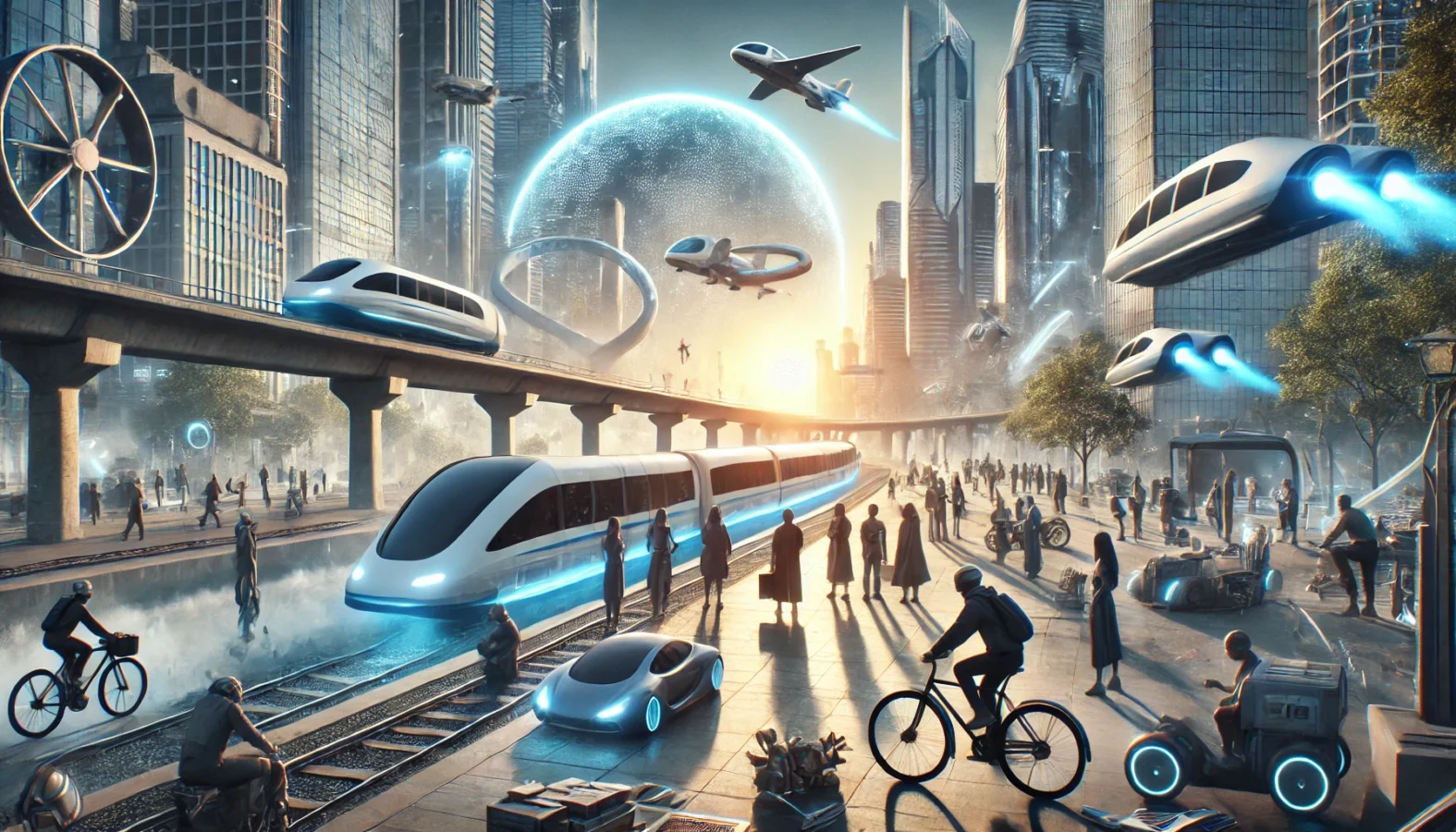
As the boundaries of human exploration continue to expand, the future of travel is set to venture into realms once reserved for science fiction. Deep sea and space tourism are emerging as the next frontiers, offering adventures that satisfy our intrinsic desire to explore the unknown.
Submersible journeys will take travelers to mesmerizing underwater worlds, where they can encounter bioluminescent creatures, vast coral forests, and the eerie landscapes of the ocean floor. These expeditions provide a rare glimpse into ecosystems teeming with life and open the door to exploring sunken shipwrecks and ancient underwater ruins.
Space tourism is slowly becoming a reality, offering the ultimate journey for those seeking to explore one of the final frontiers. Experiencing zero gravity, witnessing the curvature of our planet, and gazing into the vast expanse of space are experiences that redefine our understanding of existence.
These extreme forms of travel represent the pinnacle of human exploration, pushing the boundaries of what’s possible and offering new perspectives on our world and our place in the universe.
Wrapping up
The future of travel is a complex tapestry woven from our evolving needs, global challenges, and technological advancements. While some will travel out of necessity, fleeing harsh conditions, others will journey for personal growth, connection, or to push the boundaries of human exploration. As we move forward, the key will be finding a balance – addressing the urgent needs of displaced populations while fostering sustainable, mindful travel practices that enrich both travelers and destinations.
Our motivations for travel will continue to reflect our deepest human desires: safety, belonging, achievement, and self-realization. However, the ways we fulfill these needs through travel will adapt to our changing world. Whether we’re seeking refuge, unplugging from the digital world, or venturing into space, travel will remain a powerful force in shaping our understanding of ourselves and our place in the universe.
As travelers, we have the responsibility and the opportunity to make choices that positively impact the world we explore. By being mindful of our motivations and the consequences of our journeys, we can help shape a future where travel continues to broaden minds, foster connections, and drive positive change.