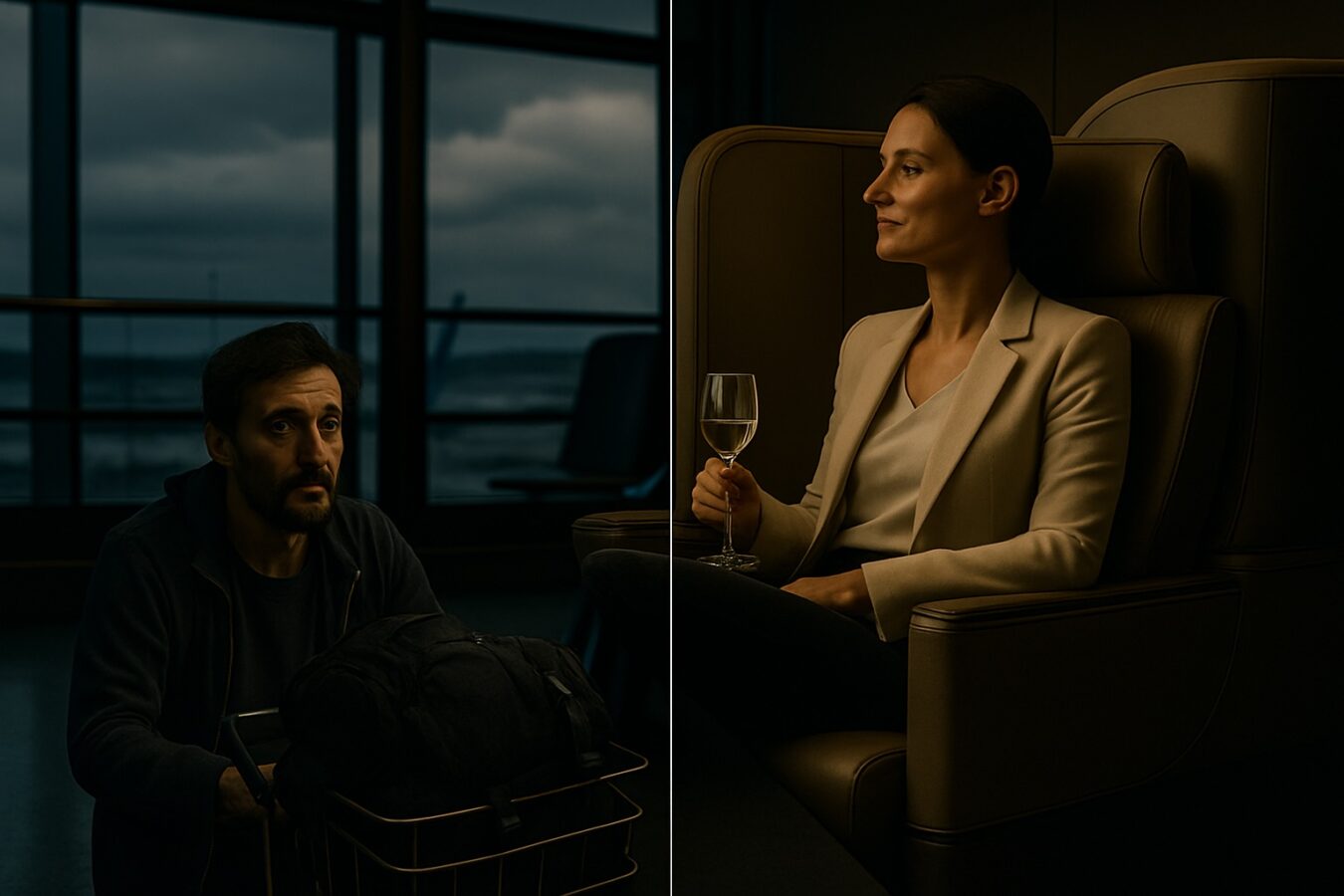
Through out history, the motivations for travel has always been a subject of fascination and curiosity. It is crucial for decision-makers in travel and hospitality to understand these motivations. In a world saturated with choices and information, the ability to discern and align with the psychological needs of travelers can be a competitive advantage. Recognizing and responding to these motivations doesn’t just enhance marketing strategy and messaging; they should also inform or influence the way you develop your products’ development and enhance the customer experience in physical spaces. This alignment ensures that brands are not just seen and heard, but also felt and valued, creating lasting connections that can go beyond transactional interactions. Brands that do this well position themselves to thrive in a fast evolving landscape, offering experiences that resonate deeply because they fulfill the multifaceted motivations of today’s traveler.
This post integrates academic research, seminal books, and travel blogs in an attempt to provide a broad view of travel motivations and their evolution over time. We’ll also touch on how these motivations are evolving as they become influenced by emerging trends, social forces, platforms, and technologies.
Here at Wallop, we’ve immersed ourselves in studying various theoretical frameworks that are pivotal in understanding the travel motivations of our customer’s customers. We delve into these theories to build our IP, using established theories to understand and influence consumer behavior, which help us build effective strategies for the brands we collaborate with. In the following sections, we will briefly introduce these frameworks, each shedding light on different facets of travel motivations.
The Foundational Framework: Push and Pull Factors
The push and pull factors, introduced by Philip Pearce in the 1980s, established a dual framework that captures the complexity of travel motivations. The push factors are the internal forces that drive individuals to seek travel, such as the desire for adventure, relaxation, or personal growth. Pull factors, on the other hand, are the external attributes of a destination that attract travelers, such as cultural attractions, natural beauty, or recreational facilities. This concept has revolutionized travel motivation research, providing a comprehensive and nuanced perspective that acknowledges the intricate interplay between the traveler’s internal desires and the external appeal of destinations.
The Dynamic Nature of Travel: The Travel Career Ladder
Pearce and Caltabiano’s Travel Career Ladder (TCL) model introduced a dynamic and evolving view of travel motivations, suggesting that motivations change and mature over time and with travel experience. The model outlines different levels of travel motivations, ranging from hedonistic and social needs at the lower levels, to self-actualization and fulfillment at the higher levels. This longitudinal perspective challenges the static views of travel motivations, emphasizing the importance of understanding the evolving nature of traveler’s desires and needs. It calls for a flexible and adaptive approach to understanding and catering to travelers’ motivations, ensuring that the offerings and experiences provided resonate with their changing preferences.
Understanding Cultural Tourism & Destination Loyalty
Greg Richards delved into the motivations behind cultural tourism, highlighting the desire for authentic cultural experiences and learning opportunities. His work sheds light on the unique motivations that drive travelers to seek out cultural destinations, emphasizing the importance of authenticity and enrichment in the travel experience.
Similarly, Yoon & Uysal’s study on travel motivations and destination loyalty provides insights into the factors that contribute to a traveler’s loyalty to a destination. They highlight the role of satisfaction, memorable experiences, and perceived value in fostering a sense of loyalty, underscoring the importance of delivering high-quality and meaningful experiences to travelers.
The Sociological Perspective: Seeking Authenticity
Dean MacCannell’s sociological perspective on travel motivations introduces the concept of the “tourist gaze,” exploring the search for authenticity in travel experiences. He argues that travelers are in search of genuine and unmediated experiences, a quest driven by a desire to connect with the “real” and the “authentic.” This perspective highlights the nuanced relationship between authenticity and travel motivations, emphasizing that the pursuit of authenticity is a central aspect of the travel experience. It underscores the importance of providing authentic and meaningful experiences that resonate with the deep-seated desires of travelers.
The Comprehensive Overview: Tourist Behavior and Motivations
Philip L. Pearce and Kaye Sung Chon have provided comprehensive overviews of tourist behavior and motivations, synthesizing a wide array of research and perspectives. Their work serves as a valuable resource for understanding the multifaceted nature of travel motivations, integrating diverse theories and findings to offer a holistic view. They emphasize the importance of considering various factors that influence travel behavior, from personal and psychological factors to socio-cultural and environmental influences. Their overviews highlight the complexity of travel motivations and underscore the need for a nuanced and comprehensive approach to understanding and catering to the diverse desires and needs of travelers.
The Advent of Blogs: Personal Narratives and Contemporary Insights
The rise of travel blogs brought forth a wealth of personal narratives and contemporary insights, providing a fresh and authentic perspective on travel motivations. These blogs offer firsthand accounts of travel experiences, reflecting the individualized and subjective nature of travel motivations. They serve as a valuable complement to academic research and traditional literature, providing real-world examples and contemporary insights that enrich the understanding of travel motivations. The personal and relatable nature of travel blogs makes them a powerful tool for connecting with travelers and understanding their motivations on a deeper level.
The Psychological Perspective: Fulfilling Our Needs
The application of psychological theories such as Maslow’s Hierarchy of Needs and Self-Determination Theory (SDT) to travel motivations has offered deep insights into the intrinsic and extrinsic factors that drive travel behavior. These theories connect travel motivations to fundamental human needs and desires, providing a framework for understanding how travel can contribute to personal growth, fulfillment, and well-being. They highlight the complex interplay between internal desires and external influences, emphasizing the importance of catering to the psychological needs of travelers to ensure a satisfying and enriching travel experience.
The Impact of Global Events: Shifts in Travel Motivations
Research by Gössling highlights the impact of global events, such as the Covid-19 pandemic, on travel motivations, illustrating the resilience and adaptability of travel behavior. They emphasize that travel motivations are not static but can shift in response to external events and changes in the global context. This body of work underscores the importance of flexibility and adaptability in the tourism industry, emphasizing the need to be responsive to changing travel motivations and preferences. It highlights the critical role of understanding and anticipating shifts in travel behavior to ensure that the travel industry remains resilient and relevant in the face of challenges and uncertainties.
Obviously folks who work in travel and hospitality don’t need to be warned about the impact of a pandemic on business and the way people travel. But with the increasing amount of strain on natural habitats and second order effects of technology (e.g. bird flu, resistance to antibiotics, plastics in the environment), the lessons and changes that came from Covid should always influence the decisions we make about the future.
Conclusion
The exploration of travel motivations, from foundational frameworks to more nuanced areas, sociological perspectives, and future trends, reveals a multifaceted narrative. At Wallop, we are intricately engaged in this narrative, drawing upon a diverse range of insights to inform our work and connect with audiences on a more meaningful level. As we navigate the evolving landscape of travel motivations, we remain committed to understanding and embracing the complexities of this journey, ensuring not only that our work is effective, but also resonant with the evolving motivations of the modern traveler.
Citations
Push and Pull Factors
Dann, G. M. (1977). Anomie, ego-enhancement and tourism. Annals of Tourism Research, 4(4), 184-194.
Maslow’s Hierarchy of Needs
Pearce, P. L., & Lee, U. (2005). Developing the travel career approach to tourist motivation. Journal of Travel Research, 43(3), 226-237.
Iso-Ahola’s Theory of Motivation
Iso-Ahola, S. E. (1982). Toward a social psychological theory of tourism motivation: A rejoinder. Annals of Tourism Research, 9(2), 256-262.
Common Motivations Found in Literature
Crompton, J. L. (1979). Motivations for pleasure vacation. Annals of Tourism Research, 6(4), 408-424.
Implications for the Tourism Industry
Yoon, Y., & Uysal, M. (2005). An examination of the effects of motivation and satisfaction on destination loyalty: a structural model. Tourism Management, 26(1), 45-56.